Events
Fall 2026 AACEA Workshop
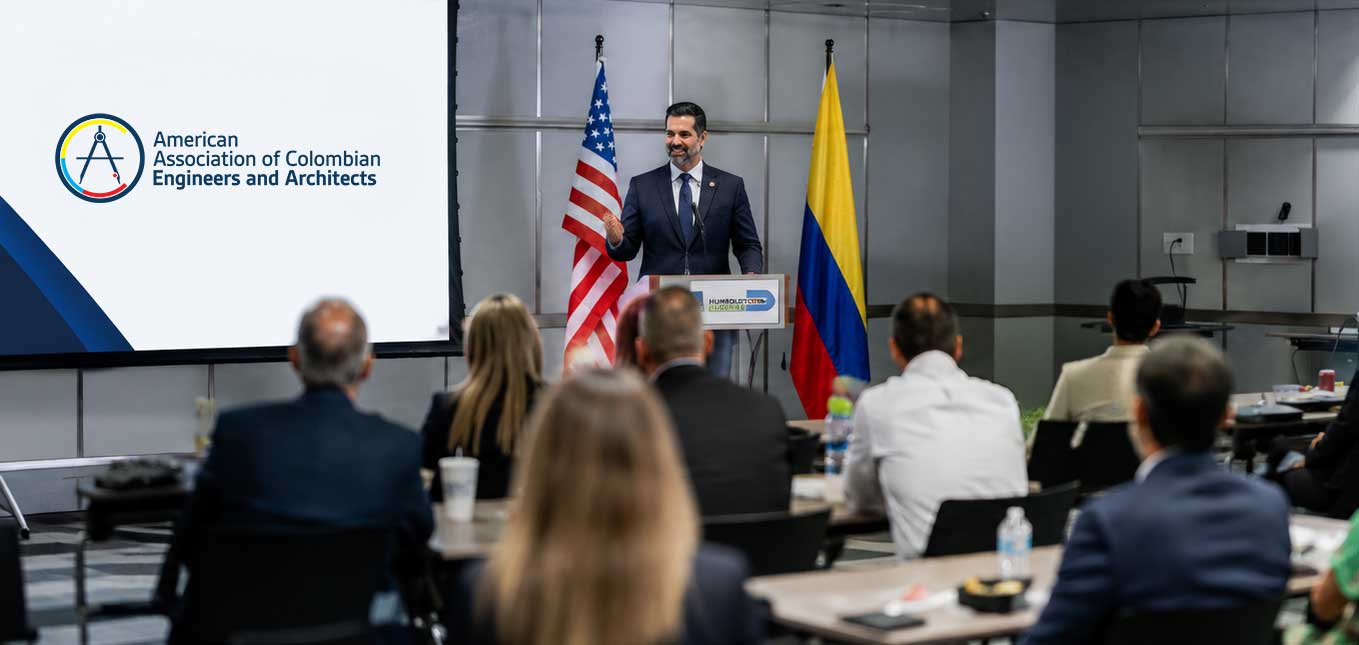
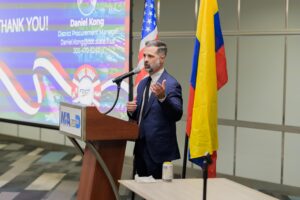
Join AACEA for our upcoming workshop featuring Daniel Iglesias, P.E., District Secretary, District Six, Florida Department of Transportation (FDOT) as our keynote speaker.
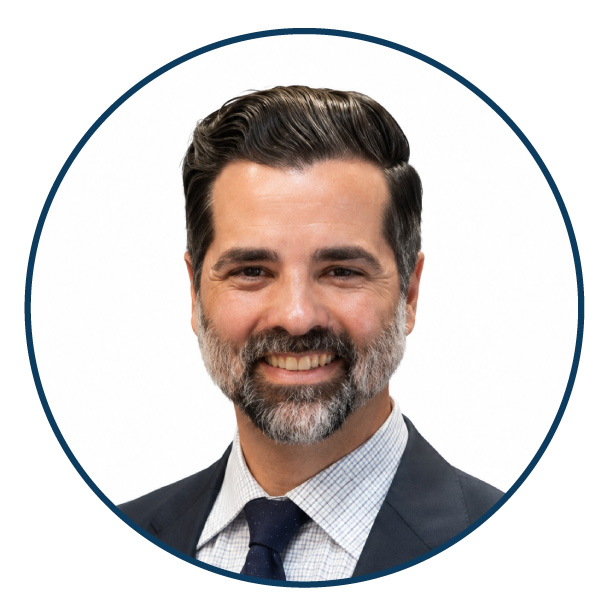
KEYNOTE SPEAKER:
Daniel Iglesias, P.E. brings nearly two decades of experience with FDOT District Six. Throughout his career, he has held key leadership positions in roadway design, project management, transportation development, and major infrastructure delivery.
His experience includes significant South Florida projects such as the I-395 Signature Bridge, Krome Avenue Widening Program, and Golden Glades Interchange reconstruction.
In 2025, he was appointed District Six Secretary, leading FDOT’s district serving Miami-Dade and Monroe counties.
From Investment to Impact:
FDOT District Six at AACEA’s Fall 2026 Workshop
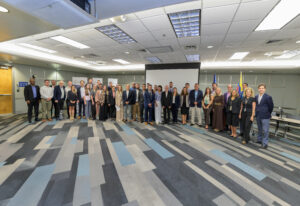
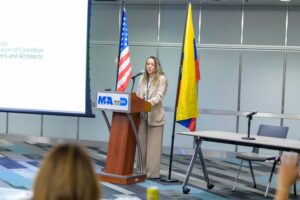
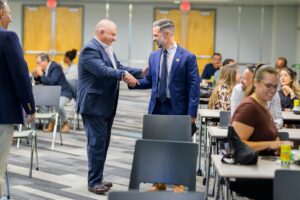
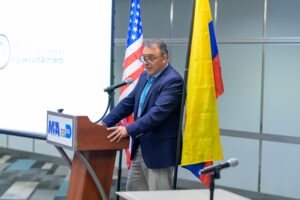
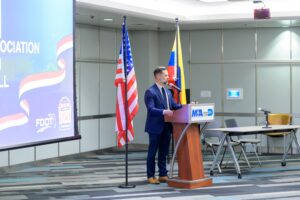
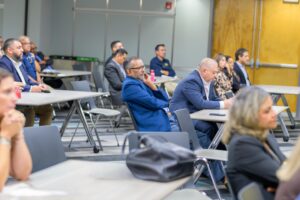
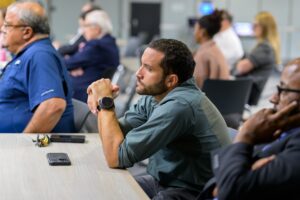
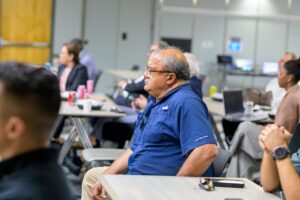
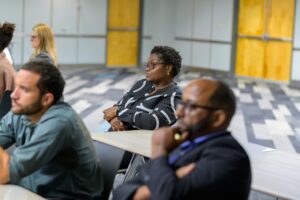
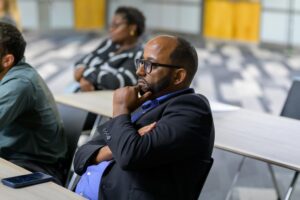
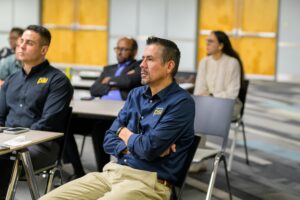
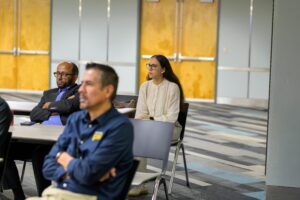
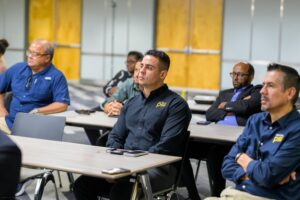
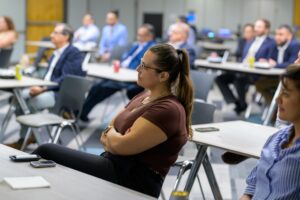
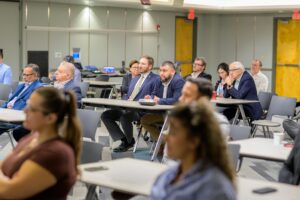
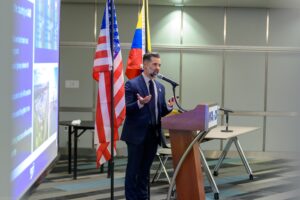
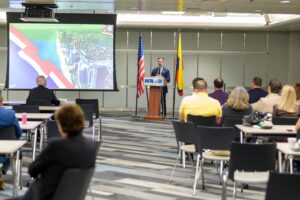
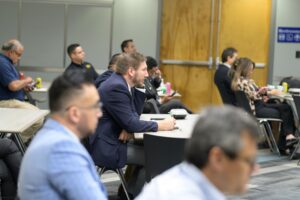
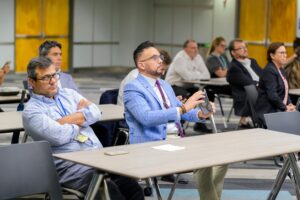
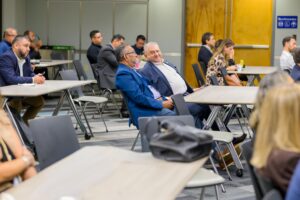
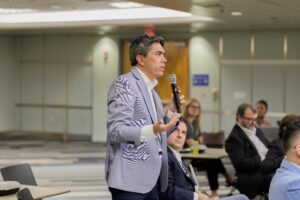
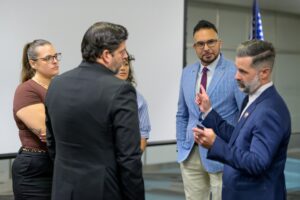
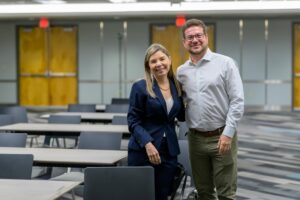
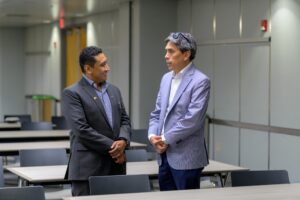
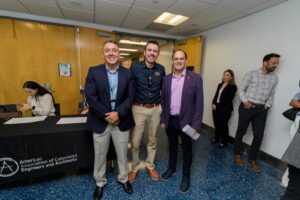
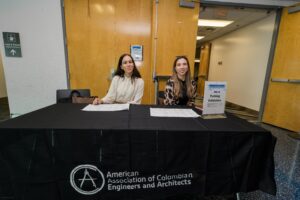
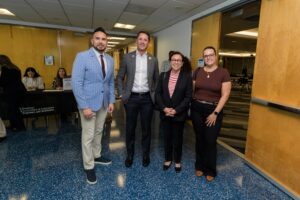
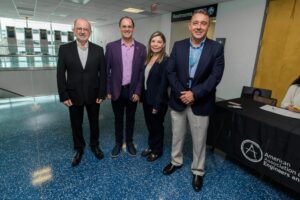
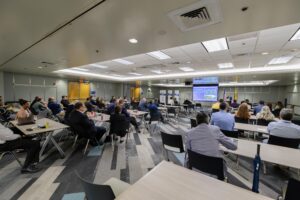
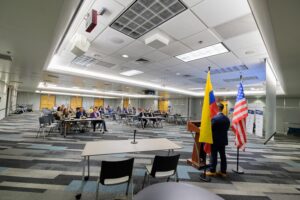
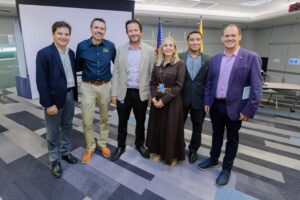
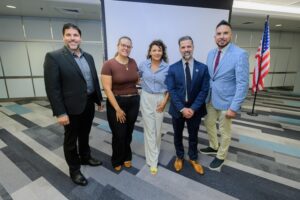
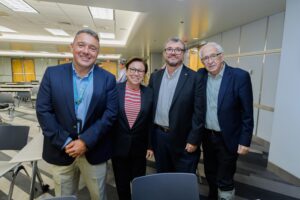
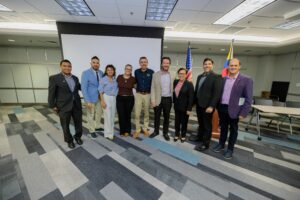
When Daniel Iglesias, P.E., joined AACEA’s Fall 2026 Workshop at Miami International Airport, he began with a personal connection to the subject. The FDOT District Six Secretary grew up in Miami, worked in the private sector before joining the department, and is raising his family in the region he now serves. For him, South Florida’s transportation challenges are part of everyday life.
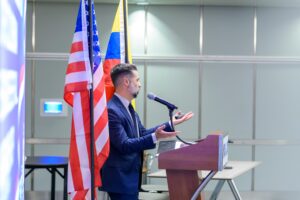
That perspective shaped a presentation about far more than budgets and construction schedules. Iglesias invited engineers and other professionals to consider how FDOT can deliver needed improvements sooner, use public resources carefully, and build the workforce that will carry the next generation of projects forward.
The scale of the work ahead
District Six is responsible for the state transportation network in Miami-Dade and Monroe counties. Though it is FDOT’s smallest district geographically, it serves a region of approximately 2.8 million residents. Its responsibilities include some 700 centerline miles of state roadway and 645 bridges, alongside coordination with partners responsible for airports, ports, rail, and local roads.
Iglesias placed that local work within FDOT’s broader investment picture. The presentation showed approximately $14.4 billion for FDOT’s fiscal year 2027 work program and a tentative $30.1 billion statewide construction program for fiscal years 2027–2031. District Six’s tentative five-year work program totals about $4.1 billion—an updated figure that Iglesias specifically distinguished from the $3.2 billion cited in his introduction.
A substantial program does not remove the pressure to make choices. Iglesias described rising construction and property costs, particularly in an urban region where acquiring land to widen a roadway can be difficult and building elevated structures is expensive. Meanwhile, residents want relief from congestion without waiting a decade for a series of projects to be completed. The central question running through his keynote was how to turn available funding into more timely, useful improvements.
What investment looks like in South Florida
The projects Iglesias discussed gave that question a local shape. On Alton Road in Miami Beach, FDOT plans to reconstruct and raise part of the roadway while improving drainage. Although listed within a resurfacing category, he explained that the work is fundamentally about resilience and protecting the corridor from high groundwater.
In Monroe County, the Long Key Bridge is the focus of a major rehabilitation program. Iglesias also highlighted continued improvements on Okeechobee Road, an important freight corridor, and the next stages of work on the Palmetto Expressway, where District Six is pursuing capacity improvements, design, and right of way acquisition. These projects involve different disciplines and needs, but each illustrates the effort required to keep a growing region moving.
For the professional community, the work program also signals opportunities to contribute. FDOT’s tentative five-year preliminary engineering program totals approximately $5.1 billion statewide, including about $4.3 billion for consultant work. Iglesias pointed to District Six contracts associated with Long Key Bridge, further study of the Northwest 27th Avenue corridor, and design for sections of the Palmetto. He encouraged qualified firms to stay informed about upcoming professional services advertisements and to engage with the district’s procurement team.
Making innovation part of project delivery
One of the keynote’s strongest themes was DRIVE, FDOT’s Department Review for Innovation and Value Enhancement. Iglesias described it as a change in how the department examines its resources: looking closely at project scopes and contracts so that funding produces the greatest possible public benefit.
He spent particular time on DRIVE Design/Construction, or DRIVE-D/C. For applicable projects under $100 million, the process brings District Six staff, the selected prime design consultant, and a multidisciplinary team together early to reconsider the proposed scope. Construction, design, maintenance, safety, traffic operations, and program management perspectives all have a role. The teams agree on a scope and construction cost baseline before final design advances, then use that baseline to manage changes and evaluate the eventual construction bid.
The aim is to find practical solutions and control costs without compromising safety or quality. District Six has set a 10 percent savings target for the process. That percentage is a goal, not a promised outcome: the presentation illustrated what it would mean for three planned fiscal year 2027 projects, while Iglesias described more than $20 million in savings identified through a review of an active design project. He also explained that bids will test the estimates. If costs repeatedly exceed baselines, FDOT and its partners will need to study why and adjust their approach.
For the engineers in the room, the message was an invitation to participate in that work. Innovation, as Iglesias presented it, begins with asking better questions about a project before its design and cost become fixed.
Looking beyond today’s projects
Iglesias also gave attendees a glimpse of transportation modes FDOT is preparing for. His discussion of advanced air mobility covered electric vertical takeoff and landing aircraft, testing infrastructure, and a proposed aerial corridor network. In the audience discussion, he described possible passenger, cargo, and medical or emergency uses. The plans are still developing, but they reflect how widely the definition of transportation—and the expertise needed to support it—is expanding.
The workshop closed on another kind of long-term investment: people. Iglesias said District Six had grown from three to 22 entry-level and part-time positions in its expanded internship effort. The presentation breaks those 22 positions into 11 intern, four Other Personal Services, and seven part-time roles. Opportunities span engineering and operations, finance and administration, transportation technology, and strategic development.
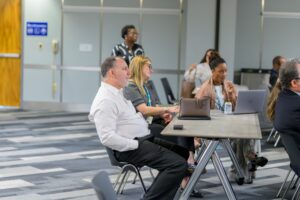
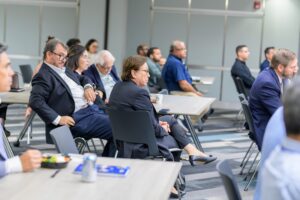
That commitment to developing talent offered a fitting conclusion for an AACEA workshop. Delivering South Florida’s future infrastructure will take sound investment and inventive project teams. It will also take connections between agencies, consultants, experienced professionals, and those just entering the field. Iglesias’s keynote gave attendees a clearer view of District Six’s priorities—and of the many ways they can help turn plans into progress.